The Telematics & Fuel Management division delivers integrated solutions that combine real-time tracking, asset visibility, and advanced fuel intelligence into one seamless platform. Organizations gain the power to see, measure, and manage every moving asset and people, from staff, vehicles and equipment to storage tanks and fueling points, with precision and control. Through intelligent tracking, driver behavior analytics, automated tank gauging, and fuel efficiency optimization, operational data is transformed into actionable insight that reduces costs, enhances safety, and boosts productivity. These technologies bring together people, performance, and data to create operations that are safer, smarter, and more sustainable.

Retaining skilled drivers is critical for effective fleet operations. Since drivers have direct control over vehicle performance, monitoring how efficiently and safely vehicles are driven is essential. The software continuously evaluates driver behavior against predefined driving parameters, providing an objective and consistent view of performance. By analyzing these insights, fleet managers can easily identify high-performing drivers and recognize them through incentives and rewards. This data-driven approach not only promotes safer and more efficient driving habits but also improves driver satisfaction, engagement, and long-term retention.

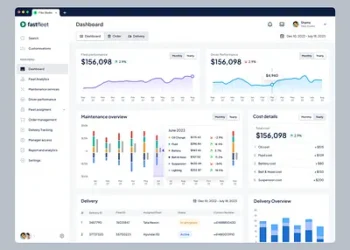
Our expense management software significantly empowers businesses to easily organize and filter their expenses by type and category. It provides users with the ability to categorize expenses as fixed or variable costs, and further divide them into subcategories for more detailed tracking. In addition, we understand the importance of managing indirect costs, which is why our software includes features to help businesses better manage and compare these costs to previous expenses. Our expense management software provides businesses with a powerful tool to streamline their expense management and also stay ahead of the competition.
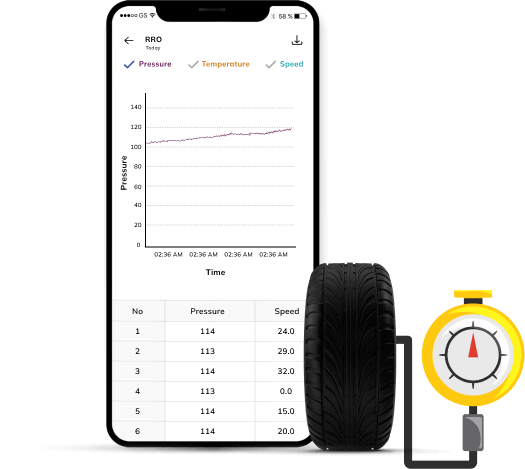
Maintaining proper tire pressure is a critical aspect of vehicle safety. Tire blowouts or sudden failures can lead to accidents, causing property damage, injuries, or even fatalities. This risk affects multiple industries, including mining, agriculture, and trucking. By prioritizing tire pressure management, fleet managers can ensure vehicles consistently operate with properly inflated tires, significantly reducing the likelihood of accidents caused by underinflation. Furthermore, real-time tire pressure monitoring allows fleet managers to detect and address tire issues before they escalate. This proactive approach not only extends tire life but also helps lower overall maintenance costs.

Ensure your fleet stays in peak condition with real-time vehicle health monitoring. Track engine performance, diagnostics, and critical systems to prevent breakdowns, reduce downtime, and lower maintenance costs. With actionable insights at your fingertips, fleet managers can make informed decisions, extend vehicle life, and keep operations running smoothly.

Job scheduling is an essential part of fleet management because it determines the order and timing of jobs assigned to drivers and vehicles. As job scheduling needs can change depending on what customers want and what the business needs. Our solution offers- Relative scheduling: Set jobs to occur daily, weekly, or monthly, and adjust their start and end times to best meet changing business needs. Fixed scheduling: Schedule jobs at a specified date and time as per requirements, ensuring a consistent and predictable schedule Automatic scheduling: Assign unplanned jobs to drivers and vehicles based on location, and availability.

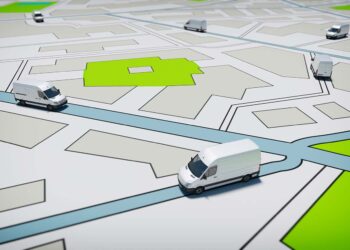
Fleet managers often depend on drivers to manually plan routes, which can lead to inefficient paths that waste time, fuel, and resources. With route optimization, however, the process becomes automated, enabling fleet managers to plan the shortest and most efficient routes effortlessly. This not only reduces time spent on the road and improves productivity but also minimizes fuel consumption. Additionally, our route planning software can calculate routes with the fewest possible tolls, helping your fleet save money while maintaining timely deliveries.
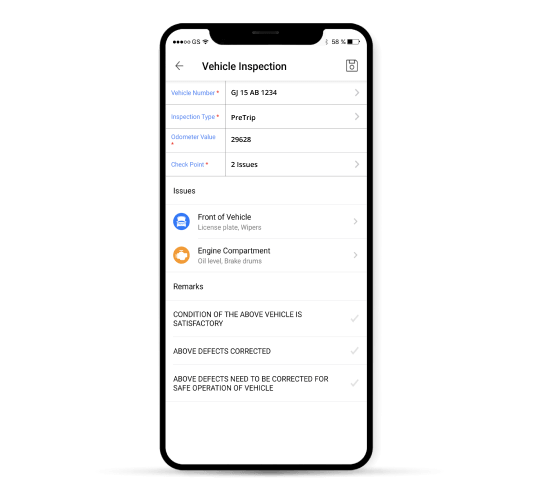
The driver app enables drivers to complete digital pre-trip and post-trip checklists, ensuring a thorough review of the vehicle before and after each journey. This process involves systematically examining key components and systems to confirm they are in proper working condition. The goal is to identify potential issues or safety concerns that could affect vehicle performance. Drivers typically inspect tires, brakes, lights, mirrors, fluid levels, and other critical components, marking each item as “pass” or noting any defects, damages, or abnormalities. The app also allows drivers to attach photos or add comments, providing additional details about any issues identified. This comprehensive approach not only enhances documentation of the vehicle’s condition but also facilitates clear communication for timely repairs and maintenance.
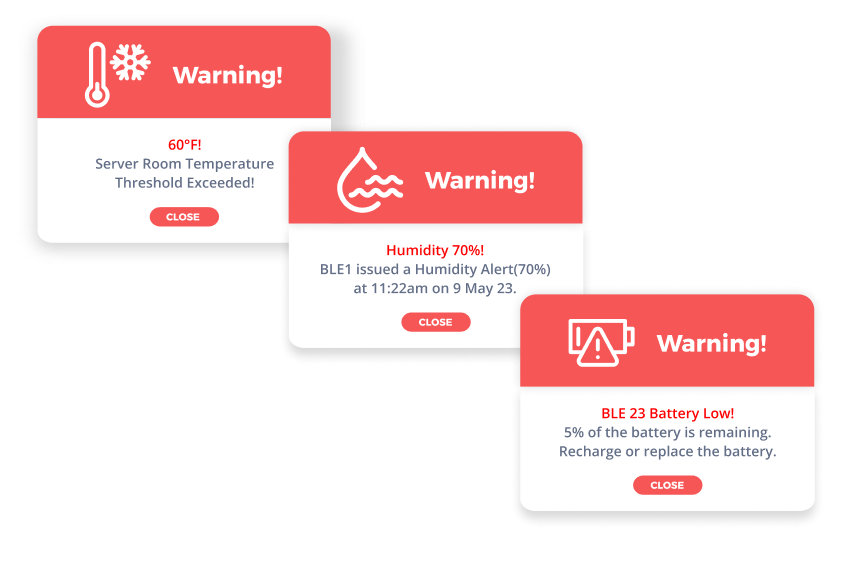
By integrating temperature and humidity monitoring, businesses can ensure that temperature-sensitive and delicate products are transported under optimal conditions, reducing the risk of spoilage, damage, or quality degradation. Temperature Monitoring Real-time temperature tracking provides complete visibility over storage and transit conditions. The system generates instant alerts whenever temperatures move outside predefined ranges, enabling quick corrective action. This ensures products remain within safe conditions throughout the supply chain, enhancing control and accountability. Humidity Monitoring Humidity levels play a critical role in industries such as food and beverage, pharmaceuticals, and chemicals. Real-time humidity monitoring allows businesses to detect deviations immediately and take corrective measures, preventing product damage and maintaining quality standards during transportation or storage.

Maintenance reminders help fleet managers proactively schedule and track vehicle servicing, ensuring that every vehicle remains in optimal condition. These reminders can be customized based on different criteria to suit fleet operations: Mileage-Based Reminders Alerts are triggered when a vehicle reaches a specified mileage, prompting fleet managers to schedule routine maintenance tasks such as oil changes, tire rotations, or inspections. Engine-Hours-Based Reminders Notifications are generated when a vehicle’s engine has operated for a set number of hours, helping managers plan maintenance based on actual vehicle usage rather than just distance traveled. Time-Based Reminders Reminders can also be set for specific time intervals or dates, ensuring routine servicing is performed on schedule, regardless of mileage or engine hours. By leveraging these automated reminders, fleet managers can reduce downtime, prevent costly repairs, and extend the lifespan of their vehicles.
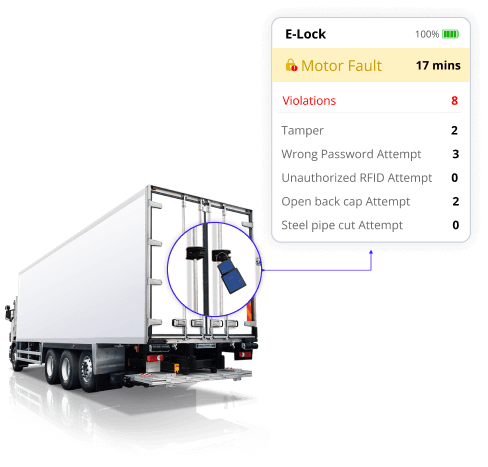
During transit, cargo is always at risk of unauthorized access or tampering. E-lock violation alerts are essential for preventing vehicle or cargo theft. If an unauthorized person attempts to open a vehicle’s cargo area or tamper with the lock, the system immediately notifies the fleet owner or manager, enabling prompt action. In addition, the E-lock violation report provides a detailed summary of all security incidents, including the type of violation, location, and time of occurrence, ensuring comprehensive visibility and accountability.
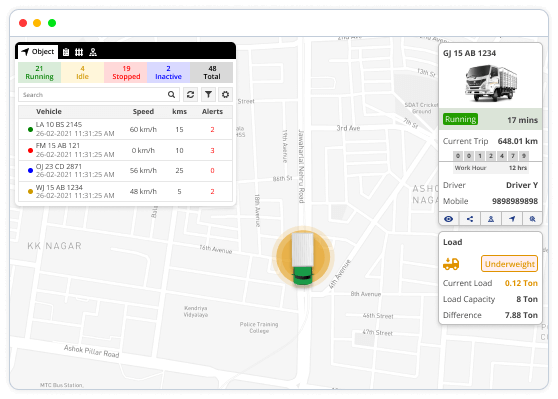
The software is built to monitor and manage vehicle loads, helping prevent situations where a vehicle is either overloaded or underloaded. Overload Prevention The system continuously tracks load weights to ensure they do not exceed the vehicle’s capacity or regulatory limits, protecting the vehicle, cargo, and road safety. Underload Prevention By monitoring for underloading, the software helps maximize load capacity, ensuring resources are used efficiently and trips are cost-effective. Implementing a robust load monitoring system not only improves safety and compliance but also reduces maintenance costs, enhances fuel efficiency, and boosts overall operational efficiency.
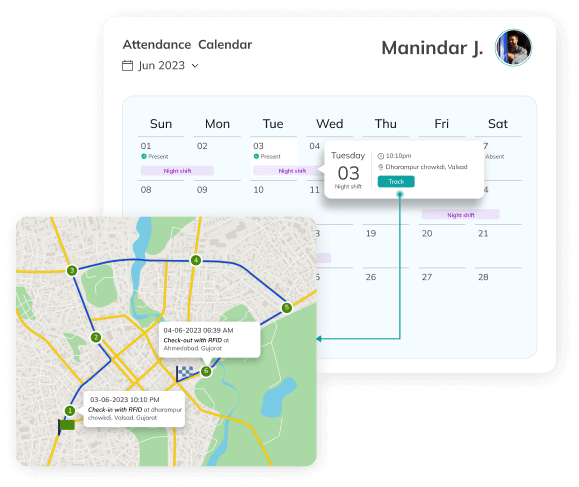
Optimize your fleet’s productivity by efficiently assigning drivers to tasks, routes, shifts, or vehicles based on their availability, skills, experience, and performance. Our system ensures smooth transitions between assignments, reducing downtime and maximizing resource utilization. Enhance operational efficiency, customer satisfaction, and regulatory compliance by streamlining communication and coordination across your fleet. Monitor driver performance metrics to allocate high-performing drivers to critical routes or tasks, while recognizing and rewarding top performers to foster a culture of excellence. With real-time tracking and dynamic assignment capabilities, the driver management system allows you to adapt quickly to changing conditions, minimize idle time, and ensure every driver is deployed effectively for maximum productivity.

Our trailer tracking software provides two powerful ways to optimize trailer usage: Trailer Allocation Strategically assign trailers based on availability, capacity, and operational needs to maximize resource utilization. This approach helps minimize idle time, reduce empty miles, and ensure trailers are deployed where they are most needed. Trailer Grouping Categorize trailers according to criteria such as cargo type, size, or region to streamline operations. By monitoring the status and performance of these trailer groups, you can track utilization, schedule maintenance efficiently, and manage key metrics more effectively. Together, these features enable smarter trailer management, improved operational efficiency, and better overall fleet performance.
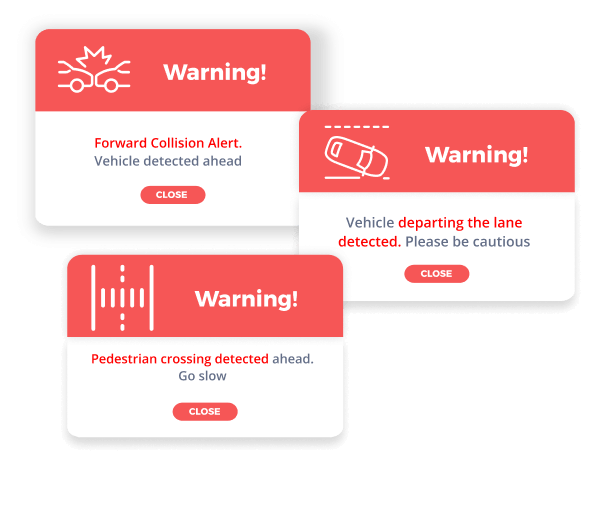
Advanced driver assistance systems empower fleet managers to protect their drivers. Furthermore, they also help to optimize operations and achieve new levels of efficiency. Additionally, the Forward Collision Warning feature utilizes intelligent sensors to constantly monitor the distance between your vehicle and the one ahead. Moreover, the Blind Spot Detection system, equipped with state-of-the-art sensors, identifies vehicles in blind spots during lane changes. Furthermore, Speed Limit Monitoring, enabled by ADAS technology, recognizes speed limit signs and continuously monitors the vehicle’s speed.

A crucial feature of a Driver Monitoring System (DMS) is that it continuously tracks and analyzes driver behavior and attention in real-time during vehicle operation. Additionally, through the use of cameras and sensors, the system captures data on parameters such as eye movements, head position, facial expressions, and other indicators of driver alertness, fatigue, distraction, or inattention. Furthermore, it empowers fleet managers with real-time insights to make informed decisions and implement targeted interventions. Undeniably, this promotes responsible driving practices and improves overall fleet safety and efficiency.

Have all inventory data in a single, unified system with undoubtedly parts inventory management. Moreover, it provides a centralized view of inventory, and streamlines control, and replenishment. Furthermore, it also improves data accuracy and enhances decision-making for businesses with multiple locations or warehouses. In addition, this efficient approach simplifies parts inventory management and reduces manual efforts, ensuring consistency and visibility across the organization.

List RPM monitoring delivers real-time insights into a vehicle’s engine performance, giving fleet managers and operators a clear view of how each vehicle is operating. Through a user-friendly dashboard, RPM readings are instantly accessible, allowing managers to track and analyze fluctuations across different driving conditions. The system also supports real-time alerts and notifications, automatically notifying managers whenever RPM exceeds predefined thresholds. This enables swift action to prevent engine strain, address potential issues, and ensure the safety and longevity of your fleet.Content

Enhance fleet security with the Smart Fuel Cap. This device monitors every opening and closing of the fuel tank, instantly alerting fleet managers to unauthorized access. By providing real-time notifications of potential tampering, it helps protect fuel, prevent theft, and ensure operational integrity.
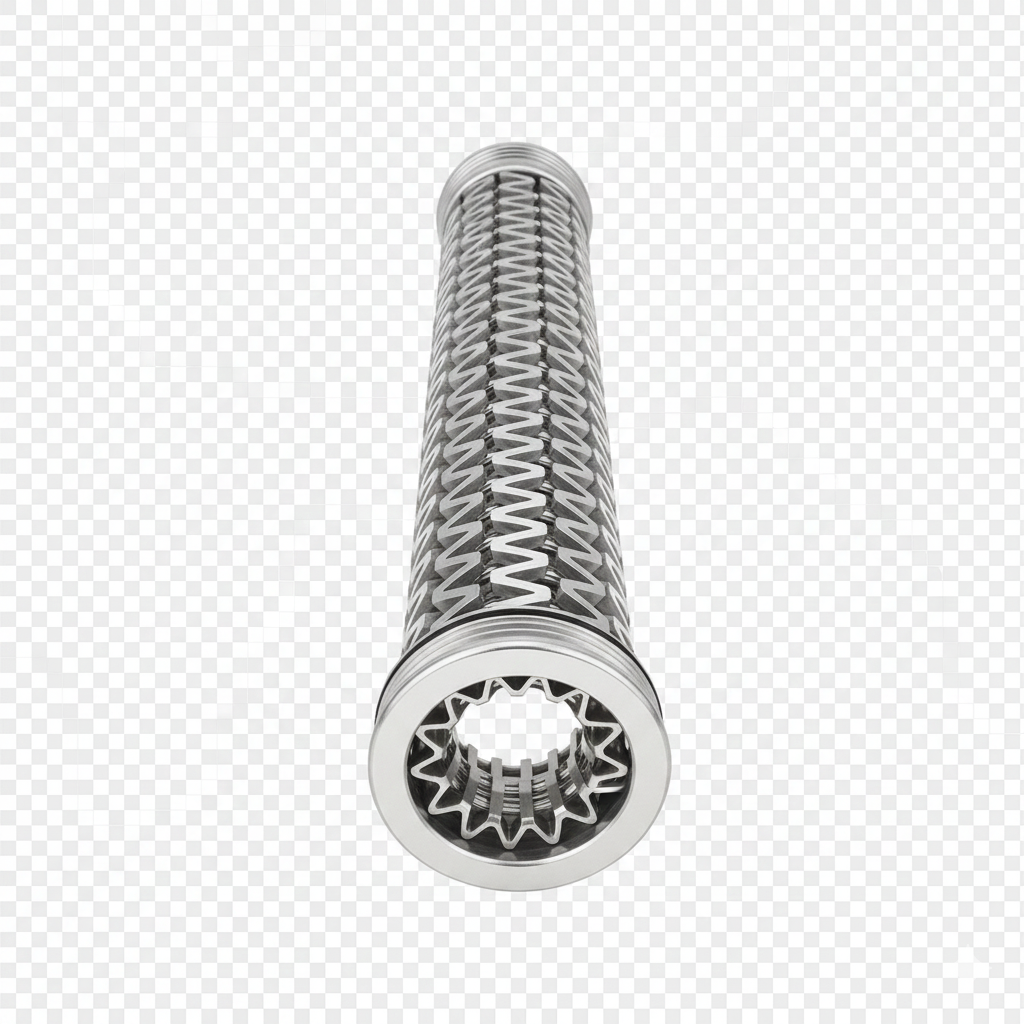
Protect your fleet from fuel theft with advanced fuel anti-siphoning devices. These devices prevent unauthorized removal of fuel from tanks, ensuring your vehicles stay fueled and operational. By safeguarding fuel assets, they help reduce losses, lower operational costs, and maintain uninterrupted fleet performance.