

Fuel Dispensing Control Case Study
RFID Tank Identification • Smart Fuel Controllers • Automated Odometer & Engine Hour Capture
Overview
Fuel loss is one of the most persistent challenges for fleet operators. Manual fueling processes—especially at internal depots—create loopholes for unauthorized fueling, inflated volumes, and inaccurate reporting.
This case study showcases how a fleet operator eliminated fuel theft by installing a closed-loop, RFID-enabled fuel management system featuring:
- RFID tank identification rings
- RFID-enabled fuel dispensers
- Smart fuel controllers
- Automatic capture of vehicle odometer readings and equipment engine hours
The system ensured that only authorized vehicles received fuel, and every liter dispensed was digitally accounted for.
The Challenge
The operator managed a diverse fleet of trucks, vans, pickups, and heavy equipment. Despite logs, approvals, and CCTV coverage, the company faced:
- 8–15% fuel losses every month
- Unauthorized fueling of non-company vehicles
- Inflated dispenser readings by fueling attendants
- No verification of odometer or work hours during fueling
- Frequent disputes over fuel consumption and mileage
- Inconsistent paper-driven audit trails
The company needed a secure, automated solution to close these gaps.
Root Cause Findings
An operational audit revealed four key weaknesses:
1. Manual Vehicle Validation
Attendants relied on verbal registration numbers—making it easy to fuel unauthorized vehicles.
2. No Automated Mileage or Work Hours Capture
Odometer values were handwritten, often estimated or falsified.
3. No Dispensing Control
Attendants controlled the dispenser, leaving room for collusion and inflated transactions.
4. Weak Data Integrity
Paper logs could be altered or duplicated, compromising reconciliations.
The Solution: RFID-Enabled Fuel Control Ecosystem
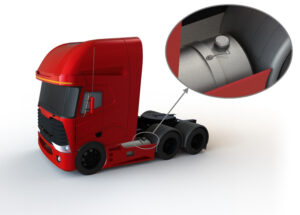
1. RFID Tank Identification Rings
Tamper-proof rings were fitted on each vehicle’s fuel tank neck.
Fueling only activates when the RFID nozzle reads a valid ring.
Prevents fueling into jerrycans or external vehicles.
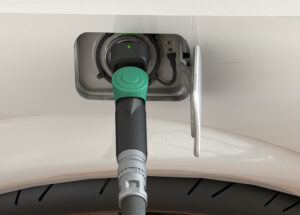
2. RFID-Enabled Fuel Dispensers
Nozzle-mounted readers detect the vehicle ring automatically.
Fueling begins only after successful authentication.
All data syncs instantly to the control console.
3. Smart Fuel Controller
The controller governs the entire fueling session, including:
- Authorization
- Dispensing limits
- Real-time data logging
- Automatic shutdown upon tampering
4. Automated Odometer & Engine Hour Capture
The controller syncs with the vehicle’s telematics unit to capture:
- Odometer readings (for on-road vehicles)
- Engine hours (for equipment such as excavators, generators, forklifts)
No manual entry is needed. Fueling cannot begin until mileage/work hours are verified and logged.
How the System Works
- Vehicle arrives at the fueling bay
- Nozzle is inserted into the tank
- RFID tank ring is detected
- Fuel controller automatically captures:
- Current odometer reading, or
- Current engine hours
- Fueling limits are validated
- Fuel is dispensed automatically
- All data is recorded in real time
- Alerts trigger for any unauthorized actions
This creates a fully automated, tamper-proof fueling workflow.
Implementation Approach
Phase 1: Pilot
RFID rings and controllers installed on 10 vehicles.
Mileage/hour capture validated.
Staff trained.
Phase 2: Optimization
Fuel limits set by vehicle class.
Exception dashboards configured.
Phase 3: Full Deployment
Entire fleet onboarded.
Fuel station fully automated.
Consumption benchmarking introduced.
Results After 60 Days
- Fuel losses dropped from 8–15% to under 2%
- 100% elimination of unauthorized fueling
- Accurate odometer/hour capture for every fueling session
- 30% faster fueling cycle time
- Clear, reliable fuel consumption per km or per hour
- Early detection of abnormal fuel usage and engine inefficiencies
- Complete digital audit trail for finance and operations
The operator now manages fuel using real data—not estimates or paper logs.
Conclusion
By integrating RFID tank rings, RFID-enabled dispensers, smart controllers, and automatic odometer/engine hour capture, the operator built a secure, automated fueling ecosystem.
Every fueling event is now tied to:
- A verified vehicle
- A proven fueling session
- A trusted mileage or engine hour reading
The result: dramatically improved fuel accountability, minimized theft, and stronger operational intelligence.
