
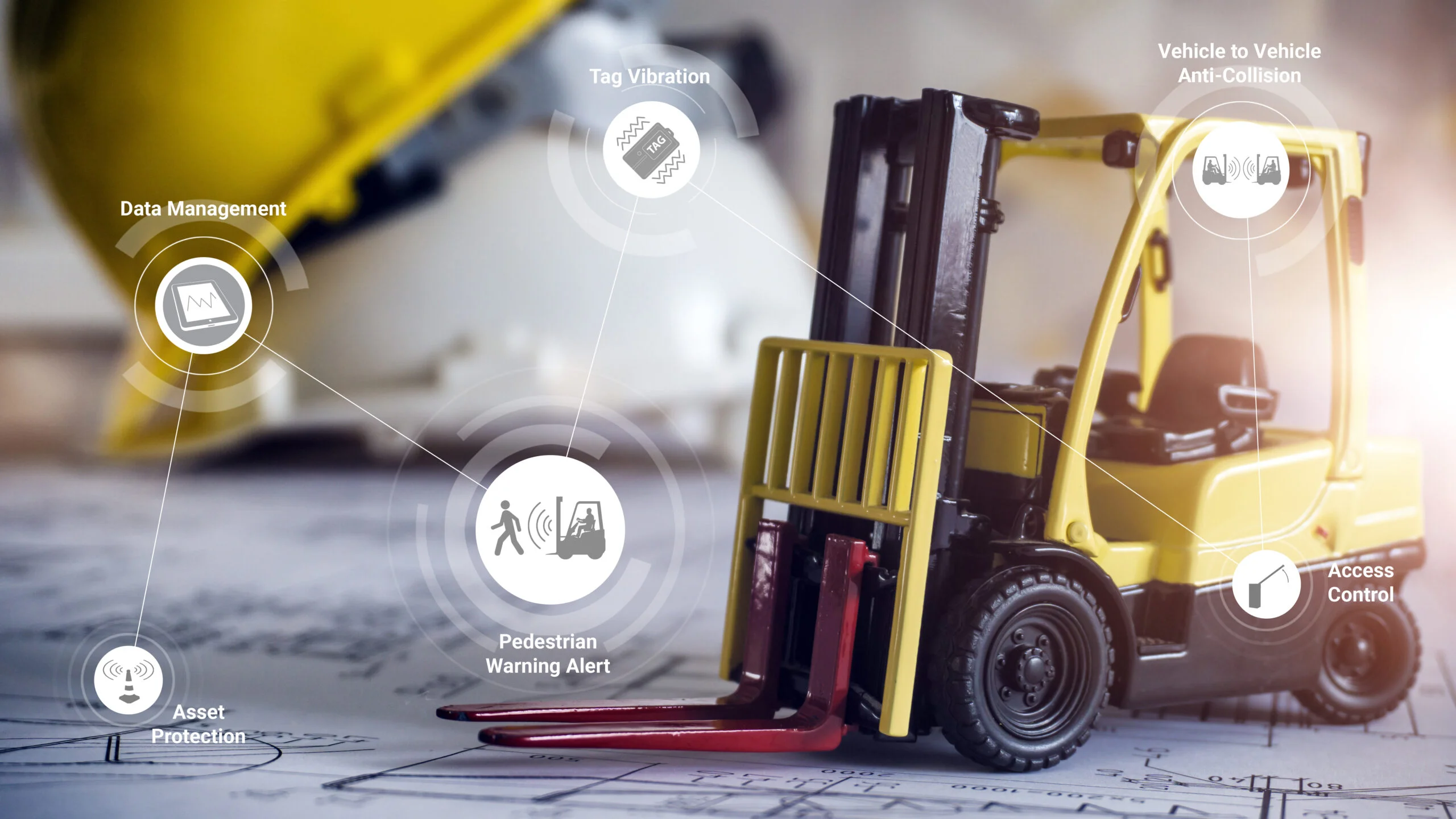
With Anti-Collision Systems, safety evolves from passive protection to active prevention.
By empowering drivers with real-time situational awareness, organizations gain not only safer operations but also smarter, more efficient fleets.
Modern fleet safety is no longer about reacting to incidents, it’s about predicting and preventing them. Anti-Collision Systems use advanced sensors, radar, and AI vision technology to detect potential hazards in real time and alert drivers before a collision occurs. By continuously scanning the vehicle’s surroundings, front, sides, and rear, the system identifies vehicles, pedestrians, obstacles, and blind spots, reducing human error and empowering drivers with life-saving awareness. This proactive technology transforms fleet operations from reactive safety to predictive intelligence, reducing accident frequency, repair costs, and operational downtime.
Anti-Collision Systems integrate seamlessly with a vehicle’s telematics unit and onboard sensors. Using radar, ultrasonic sensors, LiDAR, or camera-based vision, the system monitors the vehicle’s environment up to several meters around it. When an imminent risk is detected, such as rapid closing distance to another vehicle or pedestrian presence in a blind zone — the system issues real-time audible and visual alerts to the driver. In advanced versions, the system can also trigger automatic braking or throttle reduction to mitigate impact if the driver fails to respond. All events are logged and transmitted to the central telematics dashboard, allowing supervisors to review near-miss data, analyze driver behavior, and design targeted interventions.
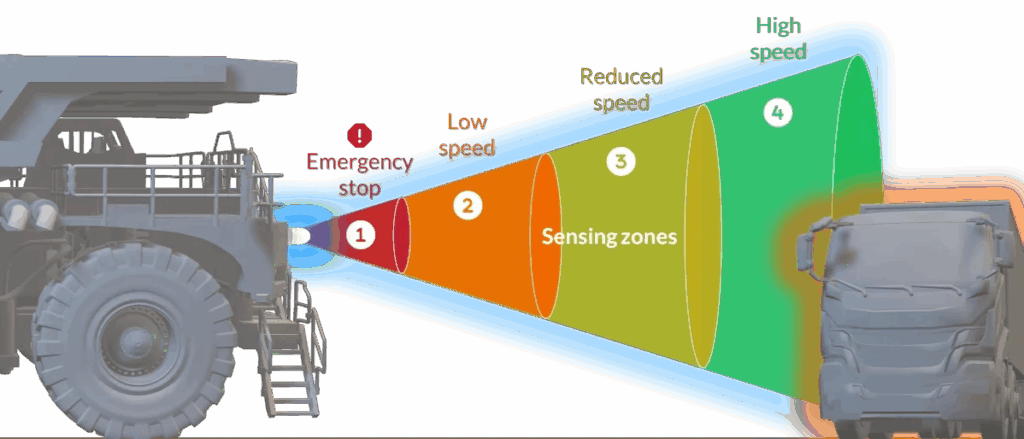
Continuously monitors the road ahead to detect vehicles or obstacles. If the closing distance becomes unsafe, the system issues instant alerts to prevent rear-end collisions.
AI vision cameras recognize human movement patterns, detecting pedestrians or cyclists in the vehicle’s path, even in low visibility conditions.
Ultrasonic sensors identify vehicles or objects in the driver’s blind zones during lane changes or maneuvering, preventing side-impact collisions.
Detects unintended lane drifts due to distraction or fatigue and issues immediate correction alerts.
Monitors objects or vehicles behind the vehicle during reversing, automatically engaging visual and audio alerts when the risk of collision increases.
Essential for fleet operations in warehouses, depots, or loading zones — where the risk of minor impacts is high. The system provides precise alerts to prevent costly damages.
Advanced configurations automatically apply brakes to prevent or reduce the severity of impact if the driver fails to respond in time.
Every near-miss and collision warning is recorded and transmitted to the cloud dashboard for post-event analysis, driver coaching, and safety trend reporting.
Anti-Collision Systems form a critical component of the Integrated Safety Intelligence Suite, working in concert with:
Together, they create a 360° safety envelope, combining data, video, and predictive analytics to protect both drivers and assets.
