How It Works
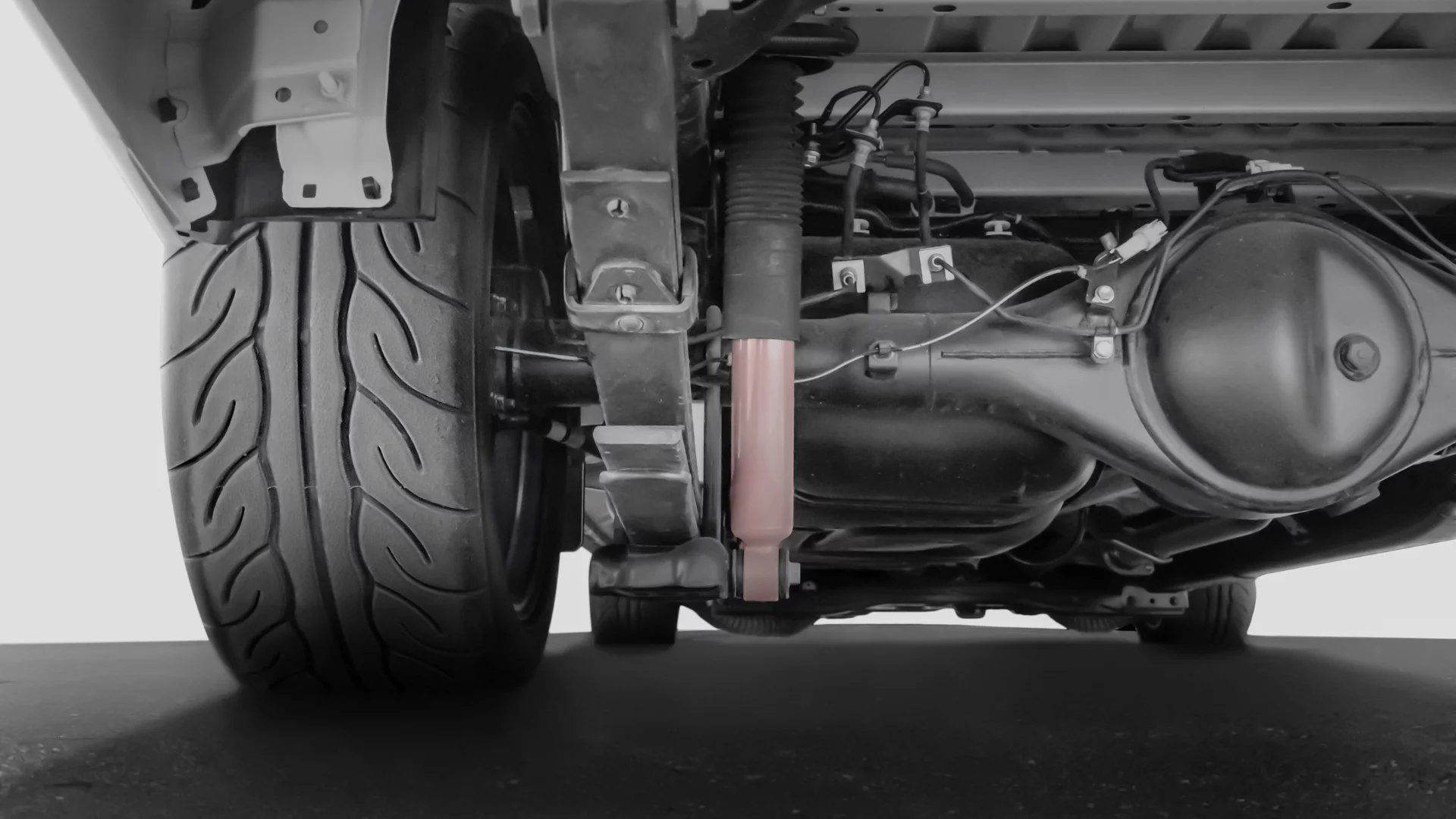
Axle Load Monitoring integrates smart weighing sensors, mounted on the vehicle suspension or chassis, with an onboard telematics unit. The sensors capture real time load weight per axle and transmit the data to a central server through GSM or satellite communication. The driver receives instant feedback on in-cab displays or mobile apps, while fleet managers monitor live weight data and alerts through the cloud-based dashboard. When a vehicle exceeds permissible load limits, the system generates automatic notifications — enabling corrective action before fines, breakdowns, or accidents occur. By integrating precision weight sensors with telematics data, the system delivers accurate axle load readings directly to the control center or driver interface. It empowers organizations to prevent overloading, reduce mechanical stress, and maintain compliance with axle load regulations, thereby extending vehicle life and minimizing downtime.
Core Capabilities
- Real Time Weight Measurement
Continuously monitor vehicle load per axle, overall gross weight, and weight distribution during trips or loading operations.
- Automatic Overload Alerts
Instant alerts via SMS, email, or in-app notification when axle load or gross vehicle weight exceeds regulatory or predefined thresholds.
- Integrated Telematics and GPS Tracking
Correlate load data with location, route, and trip performance for better logistical decision-making and accountability.
- Driver Display Interface
Provide drivers with real time feedback on current axle weight and recommended corrective action before departure or during loading.
- Data Logging and Reporting
Maintain a complete digital record of load history, violations, and corrective actions for audit trails, compliance, and operational analysis.
- Predictive Maintenance Insights
Analyze long-term load trends to identify stress patterns on vehicle components, supporting preventive maintenance scheduling.
- Integration with Weighbridges and Fleet Systems
Connect axle load data with weighbridge records or existing fleet management platforms for unified operational control.
Benefits to Organizations
- Regulatory Compliance:
Ensure adherence to axle load and gross vehicle weight regulations to avoid costly fines and penalties.
- Enhanced Safety:
Prevent overloading-related accidents, brake failures, and tire blowouts by maintaining optimal vehicle balance.
- Extended Vehicle Life:
Reduce wear on suspension, tires, chassis, and driveline components caused by excessive load stress.
- Lower Maintenance and Fuel Costs:
Proper load management reduces strain on the vehicle, leading to improved fuel efficiency and fewer breakdowns.
- Improved Planning and Accountability:
Real time visibility into loading activities helps logistics teams balance loads across fleets and avoid inefficiencies.
- Data Driven Decision Making:
Access to comprehensive reports enables managers to refine load planning, driver training, and asset utilization strategies.
Use Cases
- Long-Haul Freight Transport: Monitor heavy trucks and trailers to prevent overload fines and extend fleet lifespan.
- Construction and Mining Operations: Track load distribution on tippers and haulers carrying sand, gravel, or raw materials.
- Fuel and Bulk Liquid Transport: Ensure even load distribution and prevent spillage risks from overweight tankers.
- Public Transport Buses: Monitor passenger load for balanced weight distribution and improved road safety.
- Government Road Agencies: Enforce axle load limits across fleet operators through integrated monitoring systems.
Transforming Load Management into Smart Compliance
Axle Load Monitoring transforms traditional weight checks into continuous, data-driven oversight that protects vehicles, roads, and lives. It helps fleet operators move beyond reactive control toward predictive, preventive load management — improving both operational reliability and compliance performance. This solution reinforces every fleet’s commitment to road safety, sustainability, and operational excellence.